Biological rare earth recovery · Melbourne
Nature’s rare earth toolkit, put to work.
REEBio is developing biotechnology to recover rare earth elements from e-waste and mining by-products, supporting a sustainable and circular economy.
The rare earth elements
The rare earth elements (REEs) are a group of metals, some of which are essential for modern society and used widely in medical, military, consumer and clean energy technology. Four REEs are high value and are used to make powerful magnets for electric vehicles, wind turbines and hard disk drives.
- 21ScScandium
- 39YYttrium
- 57LaLanthanum
- 58CeCerium
- 59PrPraseodymium
- 60NdNeodymium
- 62SmSamarium
- 63EuEuropium
- 64GdGadolinium
- 65TbTerbium
- 66DyDysprosium
- 67HoHolmium
- 68ErErbium
- 69TmThulium
- 70YbYtterbium
- 71LuLutetium
Magnet rare earths
Tap an element to see its applications ().
Sources
- IEA, Rare Earth Elements report (2026).
- Alonso, Elisa, et al. “Mapping first to final uses for rare earth elements, globally and in the United States.” Journal of Industrial Ecology (2023).
- USGS, Mineral Commodity Summaries 2026.
Why it matters
Valuable metals, going to waste
At-risk critical energy metals
REEs are essential for building clean energy tech and reducing carbon emissions. However, frequent export restrictions have put their supply at risk.
Rapidly rising demand
Clean energy demand for REEs is projected to increase fourfold by 2040 as the world targets net zero greenhouse gas emissions by 2050 (IEA, 2024).
Used once, never recycled
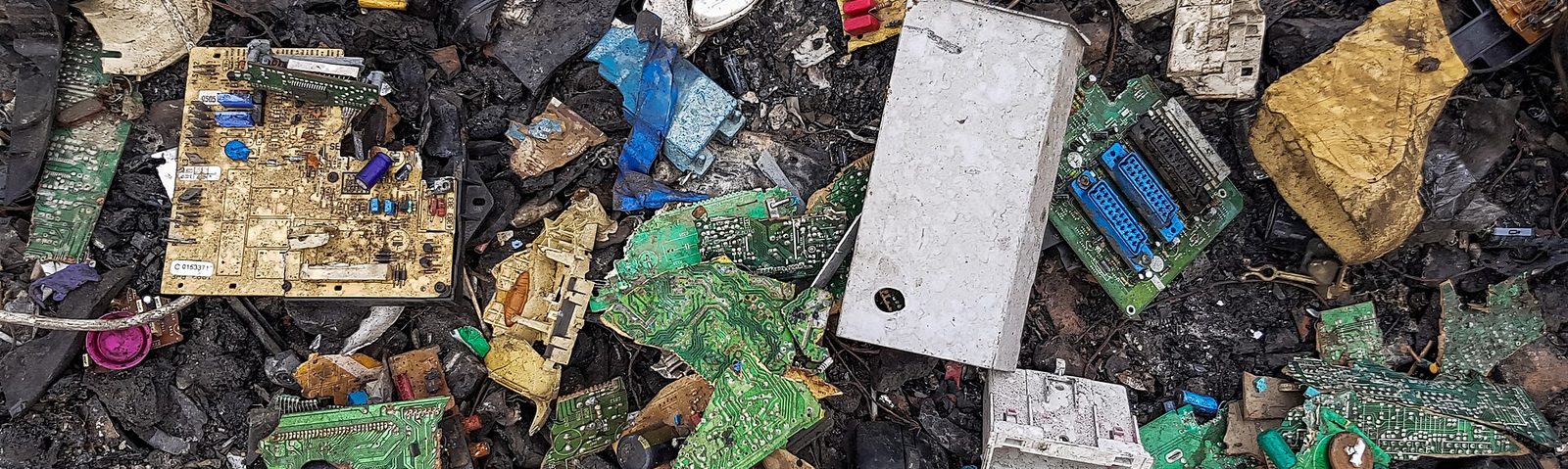
Permanent magnets in e-waste are a rich source of rare earths. However, there is no commercial REE recycling in Australia, and only ~1% of REEs are recycled globally (The Global E-waste Monitor, 2024).
Our approach
Recover REEs using microbial proteins
We use a multidisciplinary approach (geology, mineralogy, metagenomics, molecular biology, structural biology and biochemistry) to discover REE-using microbes and bring their specialised proteins into the lab to develop affinity-column-based biotech solutions.
- Step 1
Capture
REEs from e-waste or mining by-products (such as tailings) are passed through a column and captured by REE-binding proteins.
- Step 2
Wash
Other metals are washed off the column while REEs remain bound to the proteins.
- Step 3
Recover
The rare earths are washed off the column and collected as separate REEs. The column is regenerated for the next cycle.

Marcos has spent over a decade researching how microbes use rare earth elements, combining biogeochemistry, metagenomics, molecular biology and structural biology. His PhD at the University of Melbourne and postdoctoral research at Melbourne and the University of Queensland, including close collaboration with UC Berkeley (Banfield Lab), gave him a unique mix of specialised skills that REEBio now applies to rare earth recycling. He has published in The ISME Journal, BMC Biology, Science Advances, and The Conversation.
Contact
Handle e-waste or mining by-products?
We’d like to hear how you manage them now. A short conversation helps us design something that fits your feed material.